Table Of Content

This will help to keep your tarantula happy, healthy, and content — all things that increase its quality of life. However, there is some evidence to suggest that tarantulas may benefit from UVB lighting when appropriately provided. There is also evidence of invertebrates being able to synthesize vitamin D3 from UVB.
Range and habitat
If your spider is dehydrated, you will see them start to lose their hair and their exoskeleton will become dull. Curly hair tarantulas are generally very hardy and don’t usually experience many health problems. One of the most common health problems with curly hair tarantulas is dehydration. Curly hair tarantulas grow slowly and can take up to five years to reach their full size. Females grow larger than males, and they can live for much longer too. Additionally, their growth rate will depend on the care they receive and their diet.
Health and Common Issues of Curly Hair Tarantulas
Never offer your curly hair tarantula insects or any sort of small feeder from outside. This poses a danger to your pet, as the outside insects could be loaded with internal parasites as well as potentially deadly pesticides. If you notice that your tarantula is slowing down, refusing to eat or hiding more than usual, do not be alarmed right away! It could very well be entering the somewhat lengthy process of a molt, where it will grow and shed its entire exoskeleton. You may come home and think you see two tarantulas in the enclosure, but the second one will be the molt, which will need to be removed.
Tank Requirements
These spiders primarily eat insects, and crickets, roaches, and mealworms are likely to be the easiest food for you to find. Use a digital probe thermometer to keep track of enclosure temperatures. There are health concerns you need to be aware of before owning a curly hair tarantula.
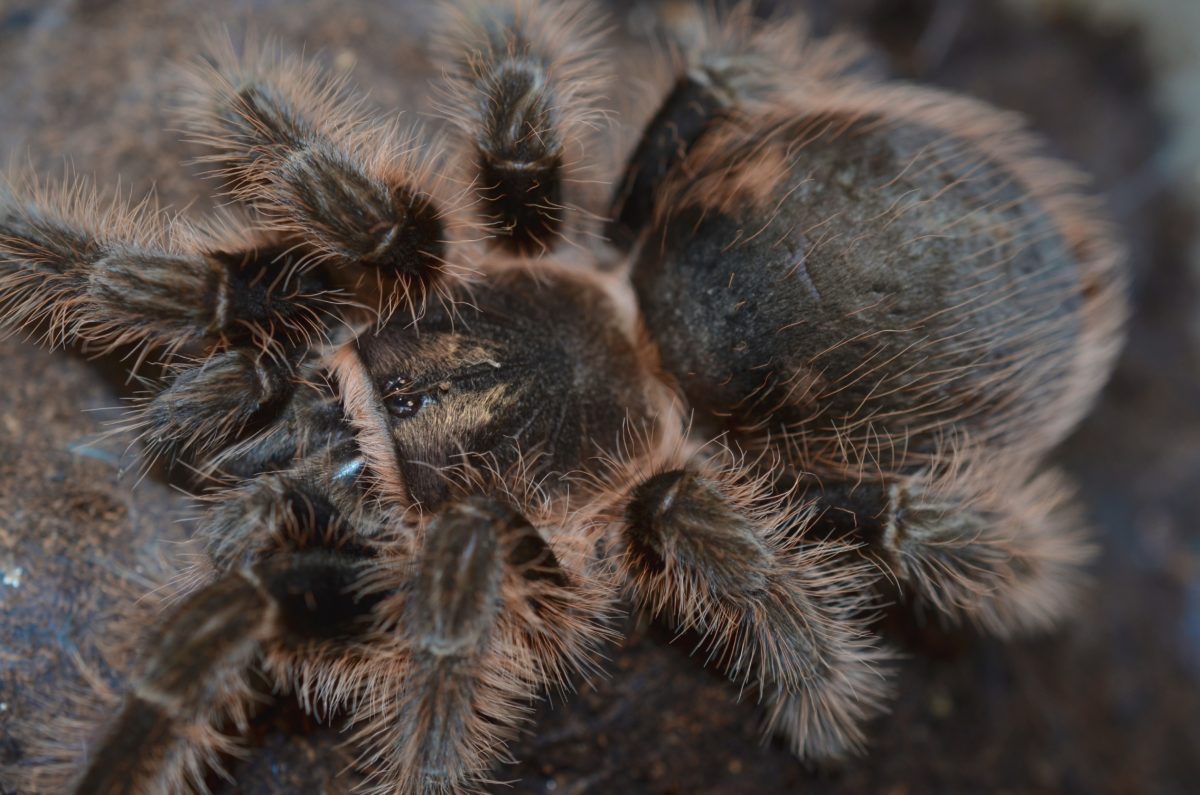
Are Honduran Curly Hair Tarantula Suitable for You?
Petting zoo The Daily Case Western Reserve University The Daily - The Daily Case Western Reserve University
Petting zoo The Daily Case Western Reserve University The Daily.
Posted: Mon, 01 May 2023 07:00:00 GMT [source]
They are native to a variety of habitats, including forests, deserts, and scrub lands. Tarantulas are ectotherms, which means that they need to be kept within a specific range of temperatures in order to regulate their metabolism and stay healthy. The result of this taxonomic uncertainty means that you may well see additional words used to describe specimens, such as “hobby form” “Nicaragua” or “true form”. However, if you have plans to breed this species then it makes sense to ensure all your breeding stock confirms to one specific locality. Growing to a legspan of some 5 – 6 inches, it has only modest requirements in captivity.
Tarantulas May Be 'Right-Handed' - National Geographic
Tarantulas May Be 'Right-Handed'.
Posted: Fri, 06 Jan 2017 08:00:00 GMT [source]
But you still should provide a shallow dish of water in the enclosure. There will be times when your tarantula wants to retreat and hide rather than be out in the open in their enclosure. Add pieces of cork bark, a hollow log, or even half of a small clay flower pot to serve as a hiding spot for your spider. This will ensure they have secure places to go whenever they feel the need. If you observe your spider on its back with its legs up, this is the establishment of the molting process.
It ensures that your feeders are “gut-loaded” if they are fed healthy; your pet is fed healthy, too. Sometimes you should offer a tiny pinky mouse as a treat, but many keepers warn against feeding your tarantulas things that are very rich in calcium. Do not provide your curly hair tarantula insects or any kind of small feeder from outside. Curly hair tarantulas eat live crickets, roaches, waxworms, and other insects. The insects should be no larger than the size of your tarantula's body, or no bigger than 2/3 the tarantula’s size. Young tarantulas generally will need feedings every two to five days, while adults eat roughly once a week, though this can vary.
Characteristics of the Curly Hair Tarantula
The curly hair tarantula is native to both Nicaragua and Costa Rica. It is a terrestrial species often found at the bases of tree trunks, near rivers and inside the holes and dens left behind by rodents or other small animals. In the wild, they are listed as "near-threatened," with the greatest threat being habitat loss, as they are very rarely imported in this current day. Almost all of the curly hair tarantulas available in the pet trade come from captive breeding efforts, both from private and well-known keepers across the world. Although all species of tarantulas do have hair, the contrast of the lighter colored hairs and the distinct curl gives the curly hair tarantula a rather unique appearance.
What Do Curly Hair Tarantulas Eat?
Curly hair tarantulas are primarily insectivores, which means that they need to eat a variety of insects to get the right nutrition. We recommend slings be fed every 4-7 days, juveniles should be fed every 7-14 days, and adults should receive a meal every days. Beginning with the slings, they will eat headless crickets, mealworms, and wingless fruit flies. As these spiders get bigger, they will eat crickets, large insects, dubia roaches, and even pinky mice followed later by fuzzy mice on occasion.
A 5- to 10-gallon tank with a secure, ventilated lid is suitable for curly hair tarantulas. These tarantulas aren't big climbers, so ground space is more important than height. The width of the tank should be roughly two to three times the leg span of the spider, and the length should be around three times their leg span. A secure enclosure for an adult curly hair tarantula is the floor space roughly the size of a 10-gallon aquarium is more than sufficient. Unlike many other species, the curly hair tarantula can frequently be seen out and about inside its enclosure. Curly hair tarantulas aren’t known to be picky eaters, as they are opportunistic feeders in the wild.

At this stage, it’s crucial to provide them with a suitable enclosure and appropriate food. A small, well-ventilated container with a substrate like coconut fiber or peat moss works well for spiderlings. A heating pad is also a good idea if you live somewhere very cold, but not necessary if not.
Males and females reach sexual maturity at around three to five years old. They are generally docile creatures that make great pets for both beginners and experienced reptile keepers alike. They tend to be shy when younger but become more comfortable with handling as they mature. We offer the highest quality USA grown feeder insects and quality products at reasonable prices. That being said, there is some evidence to suggest that tarantulas may benefit from UVB lighting when appropriately provided.
Curly Hair Tarantulas live for an average of 4-5 years as males, females typically live much longer at an average of 8-25 years. It is a moderately sized species of tarantula, growing to around a few inches in length. Many tarantulas are capable of climbing glass – including the Curly Hair.


No comments:
Post a Comment